Yard Grading and Slope Improvement
Yard sloping ensures water flows away from structures, reducing the risk of water damage and erosion.
Proper grading promotes healthy grass growth by preventing waterlogging and soil erosion.
A well-graded yard enhances curb appeal and can increase property value.
Resloping helps protect the landscape from soil loss caused by runoff.
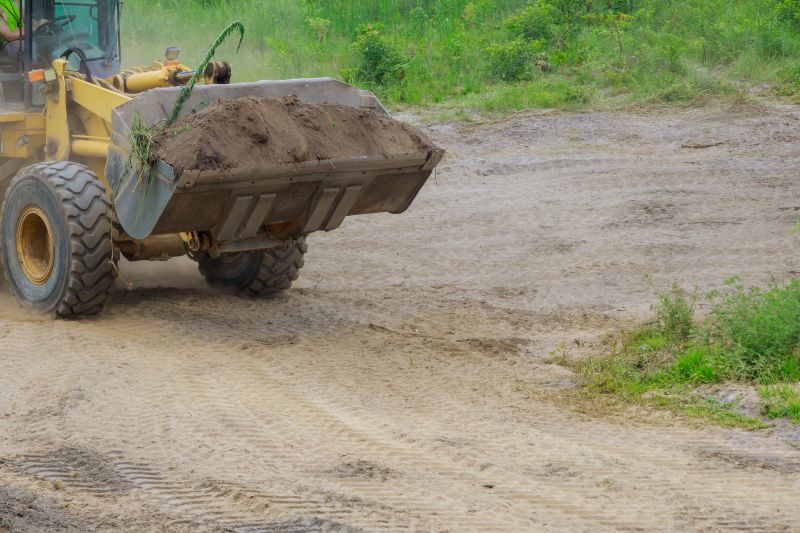
Initial assessment and planning for effective slope adjustment.
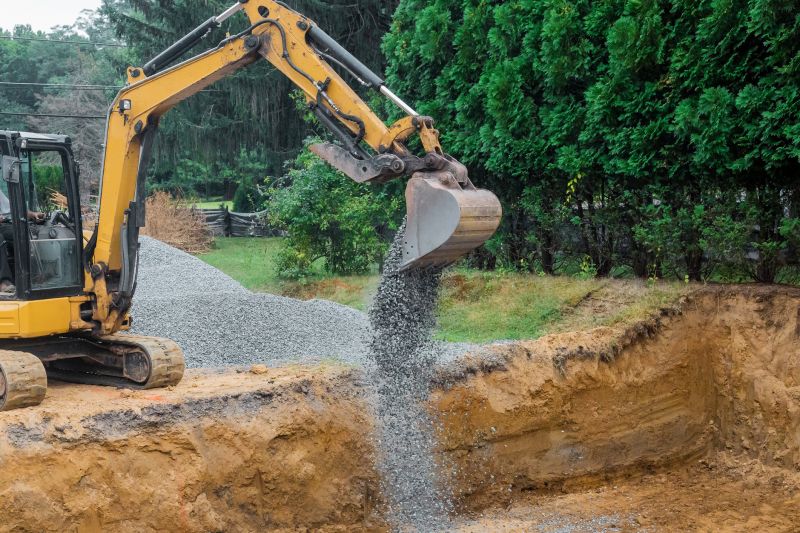
Excavators and graders shaping the landscape.
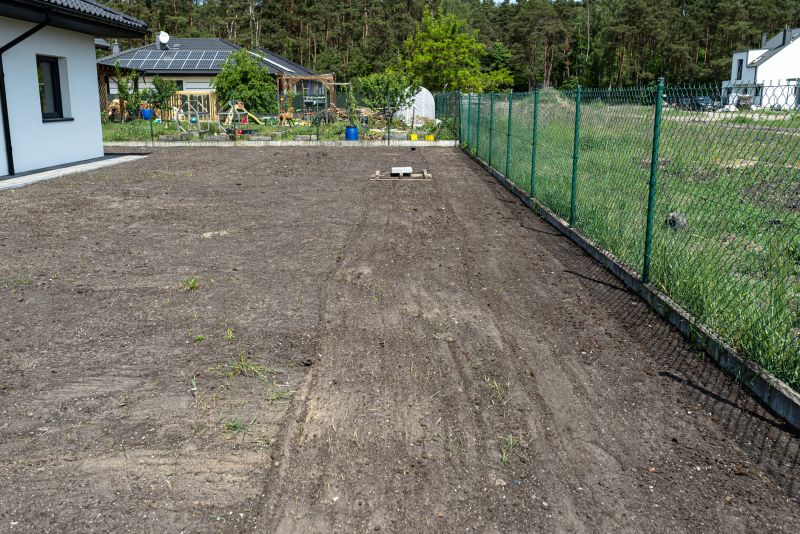
Smooth, properly sloped yard ready for landscaping.
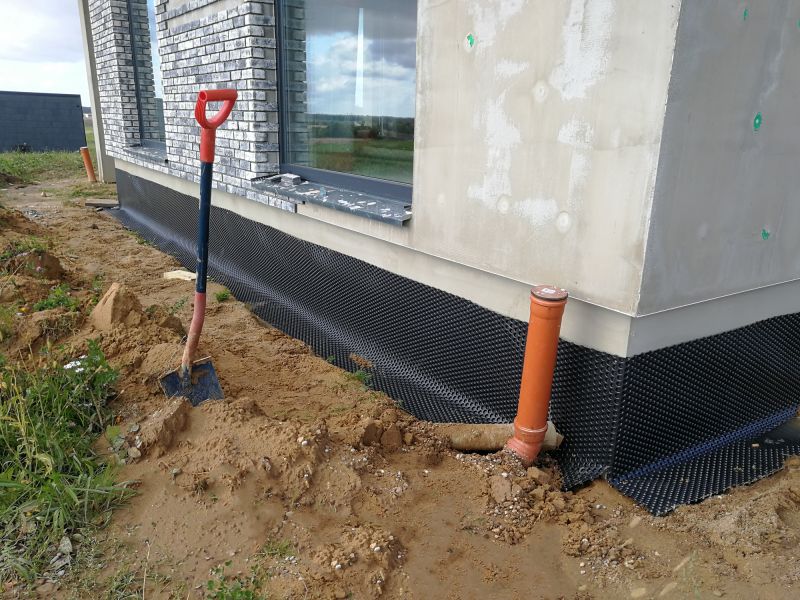
Installing drainage solutions during resloping.
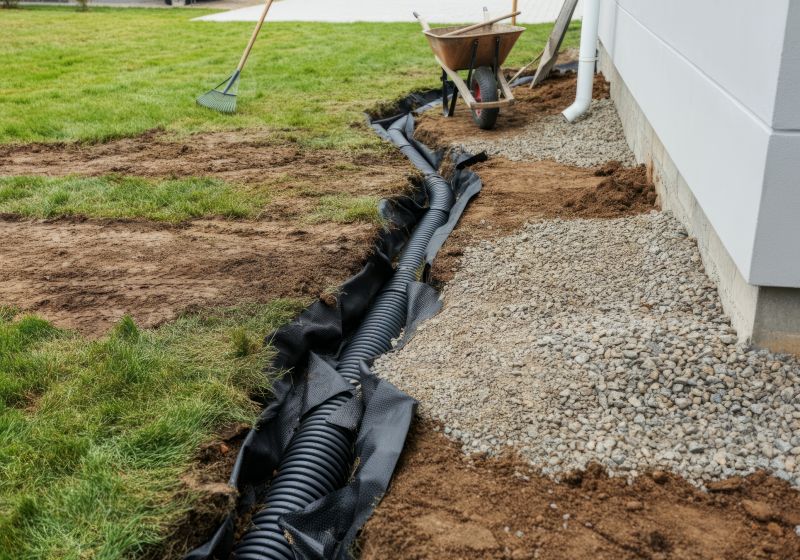
Adjusting slopes for homes to improve drainage.
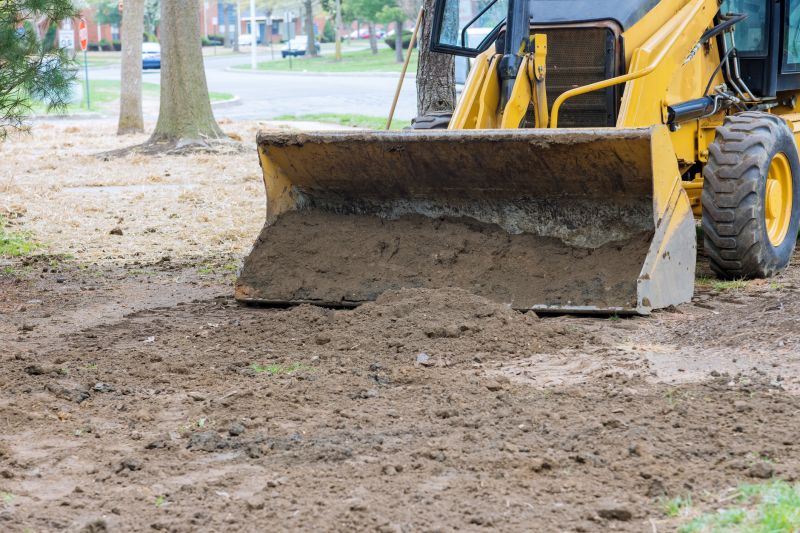
Large-scale grading for commercial landscapes.
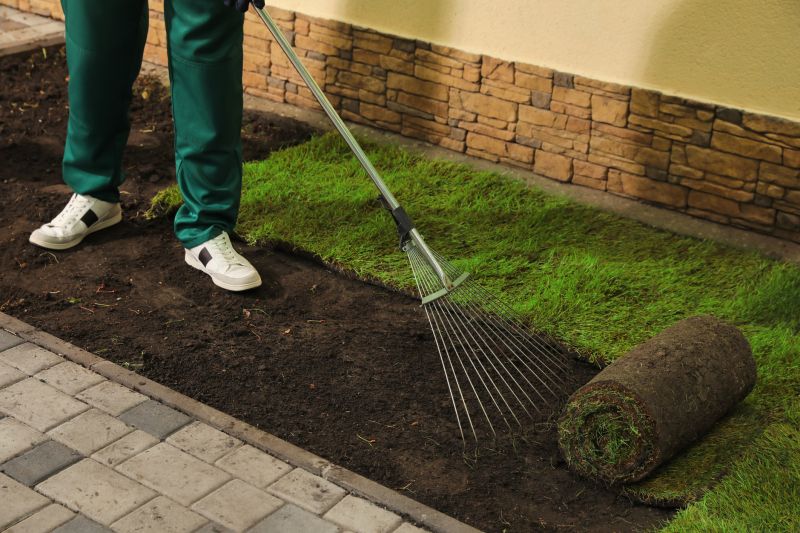
Preparing soil for final grading and landscaping.
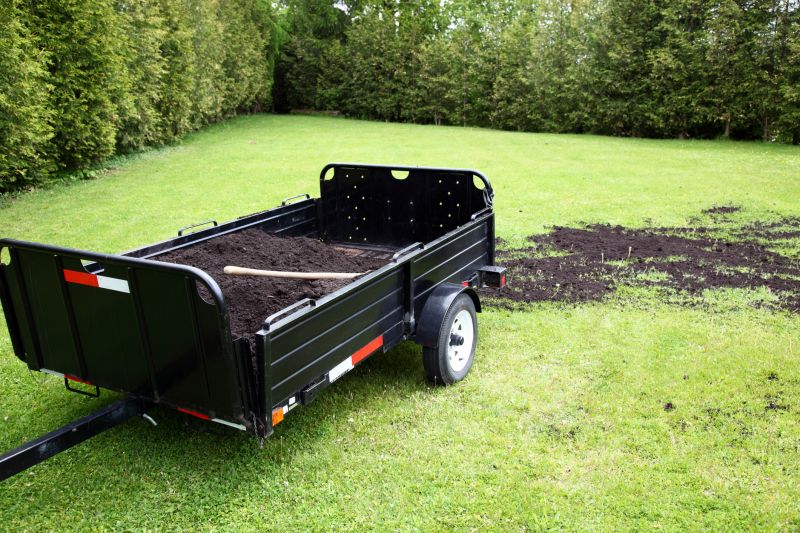
Adding topsoil and finishing grading details.
The process of yard grading typically involves assessment, excavation, and shaping to achieve the desired slope. Professionals usually complete resloping within a day or two, depending on the yard size and complexity. Equipment such as excavators, graders, and compactors are commonly used to ensure precise grading and optimal drainage.
Proper equipment selection and skilled operation are vital for effective yard sloping. The work includes removing excess soil, reshaping the terrain, and installing drainage solutions if necessary. These steps help prevent future issues related to water runoff and soil erosion.
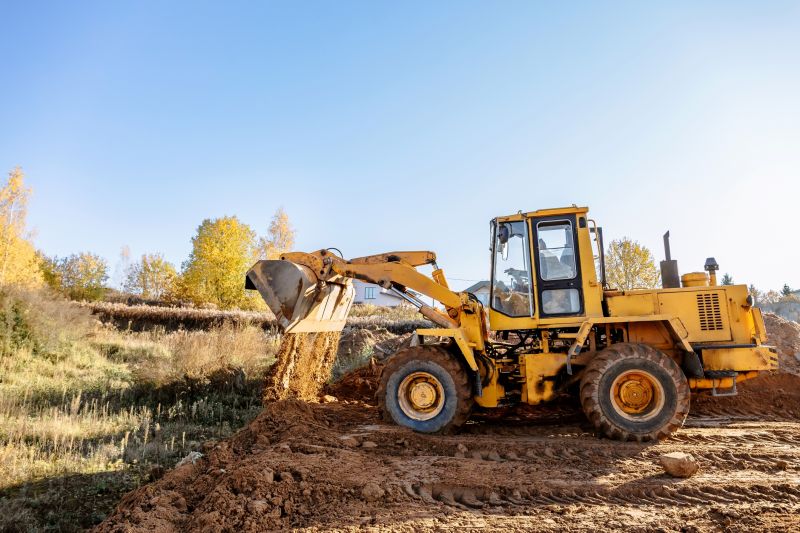
Excavators and graders used in the grading process.
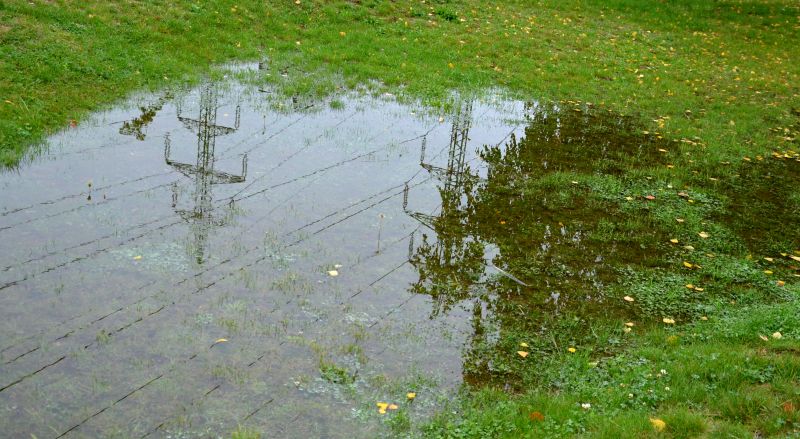
Yard with uneven slope and drainage issues.
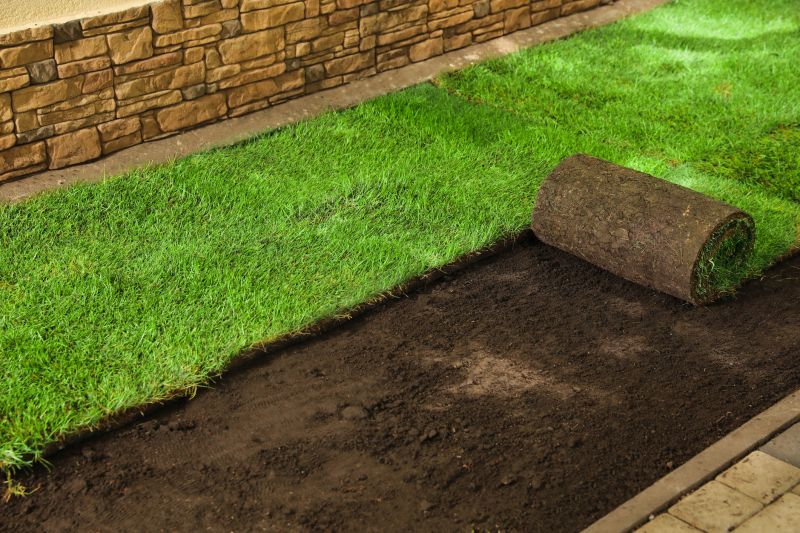
Yard with a smooth, effective slope.
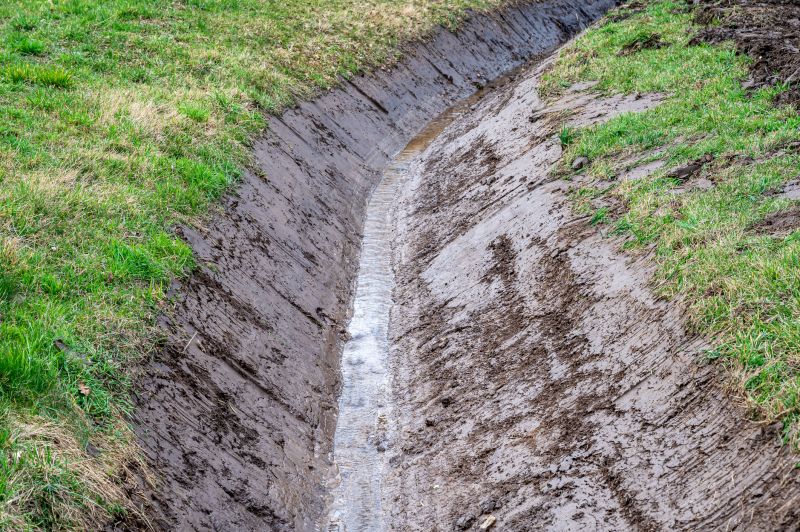
Drainage channels being integrated into the landscape.
For residential properties, yard sloping can be tailored to fit the landscape and homeowner needs, ensuring proper runoff and aesthetic appeal. Commercial projects often require larger equipment and more extensive planning to handle bigger areas and stricter requirements.