Optimal Timing for Trenching Projects
Trenchings are essential for installing underground utilities, cables, and pipelines. The timing of trenching projects can significantly impact their efficiency, safety, and cost-effectiveness. Understanding seasonal and environmental factors helps determine the optimal period for trenching activities.
Dry weather reduces soil instability and minimizes project delays caused by rain or snow.
Lower soil moisture levels in dry seasons facilitate easier excavation and reduce equipment wear.
Warmer ground temperatures in late spring and summer allow for better soil workability.
Planning during periods with fewer permit delays can streamline project initiation.
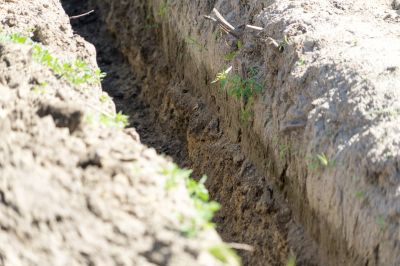
Spring offers moderate temperatures and manageable soil conditions for trenching.
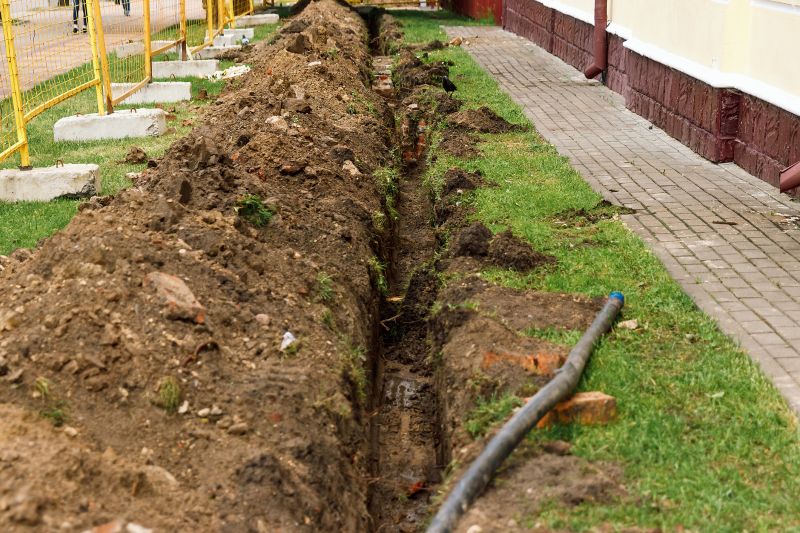
Summer provides dry conditions, but extreme heat can impact worker safety and soil stability.
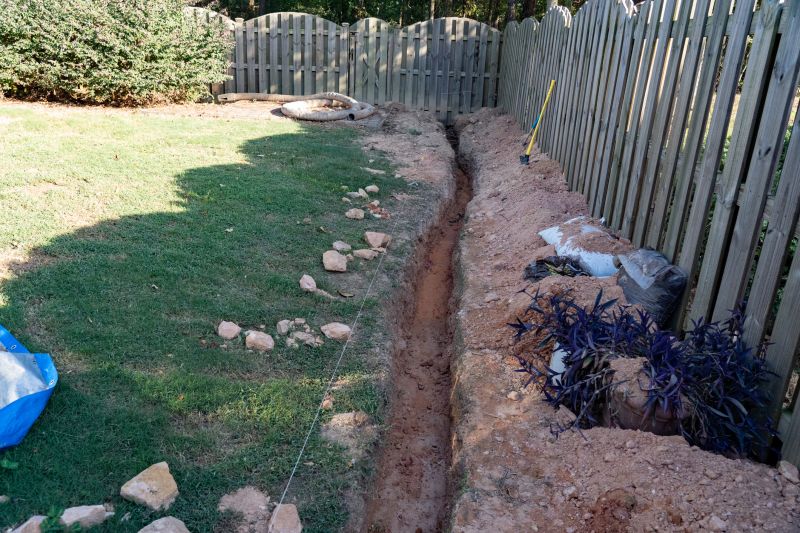
Fall often features cooler weather and stable soil, suitable for trenching projects.
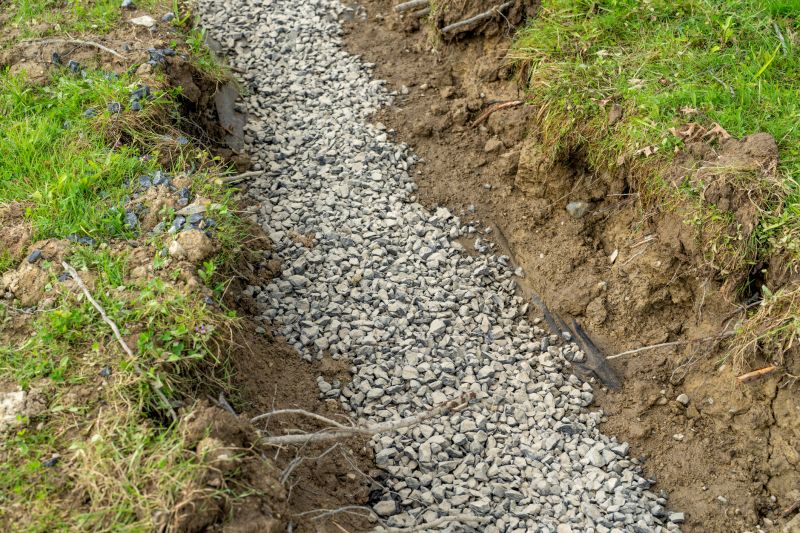
Ways to make Trenchings work in tight or awkward layouts.
Popular materials for Trenchings and why they hold up over time.
Simple add-ons that improve Trenchings without blowing the budget.
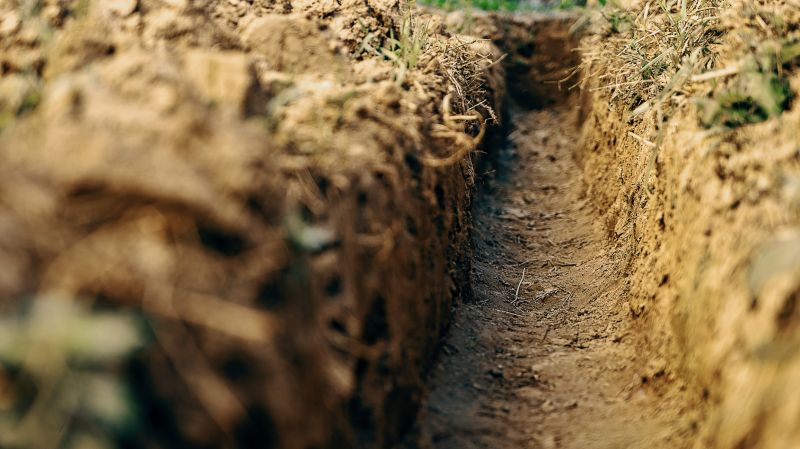
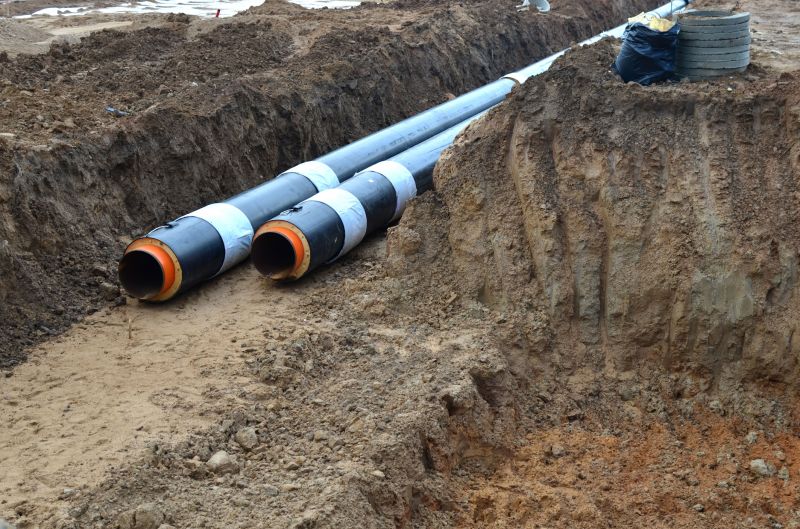
Trenching involves excavating narrow channels in the ground to lay utilities, pipes, or cables. It requires careful planning to account for soil type, weather, and project scope. Proper timing ensures minimal disruption, reduces risks, and optimizes resource use. Seasonal considerations are crucial for maintaining safety standards and project timelines.
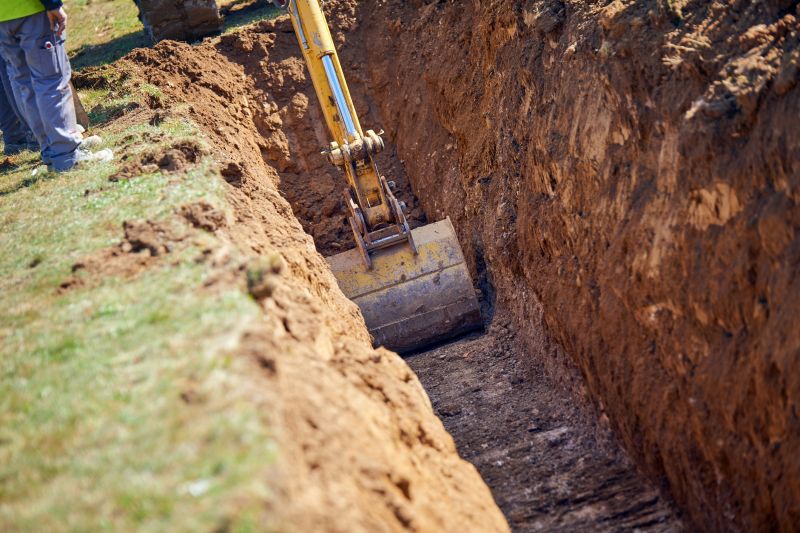
Heavy machinery used during trenching is most effective in firm, dry soil conditions.
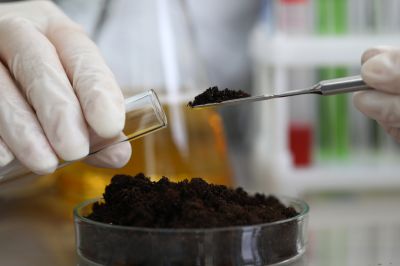
Understanding soil composition helps determine the best time for trenching activities.
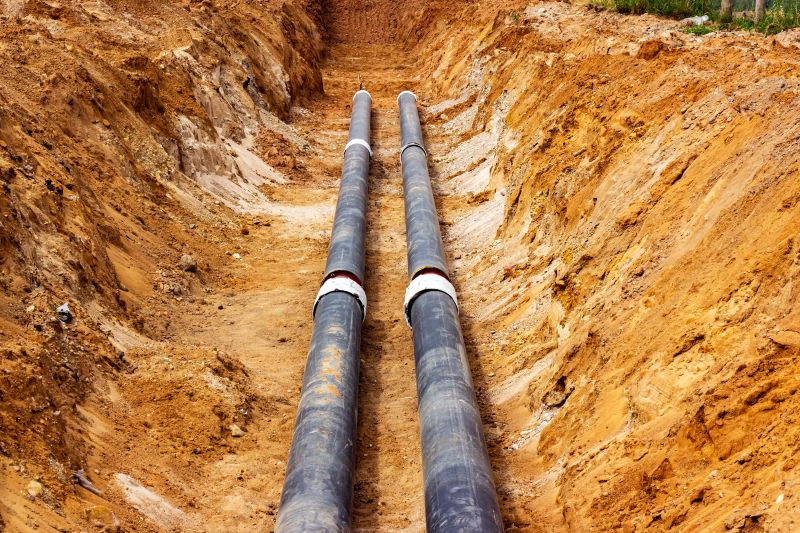
Proper site preparation is essential for safe and efficient trenching operations.
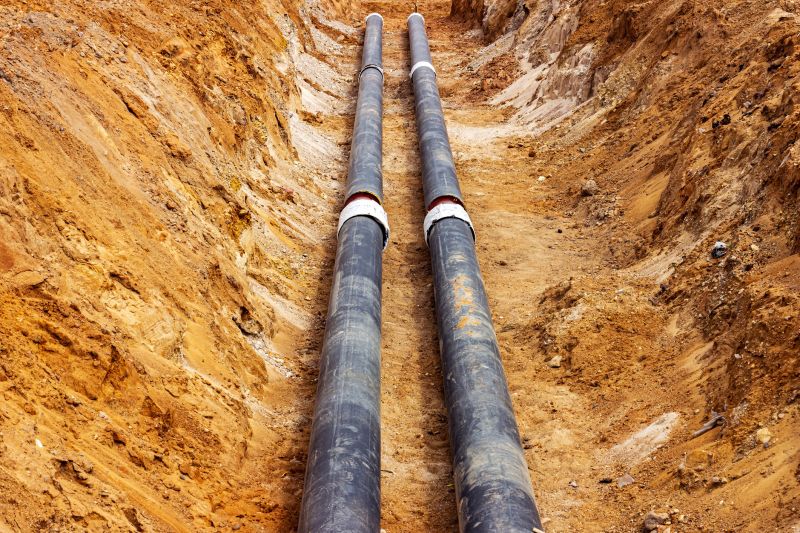
Timely trenching supports seamless utility infrastructure development.
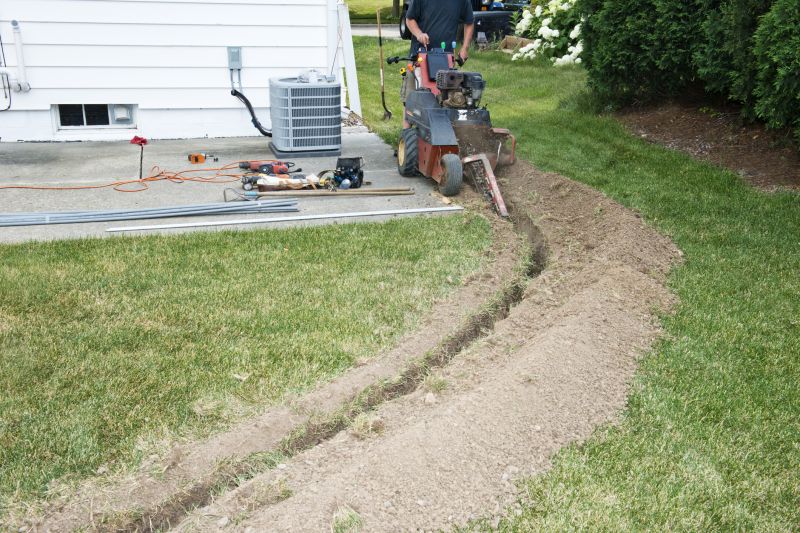
High-end options that actually feel worth it for Trenchings.
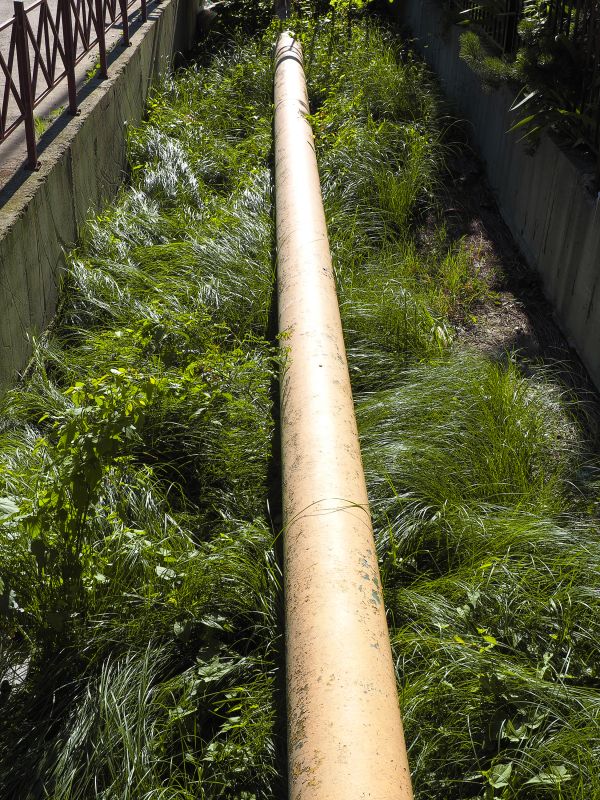
Finishes and colors that play nicely with Trenchings.
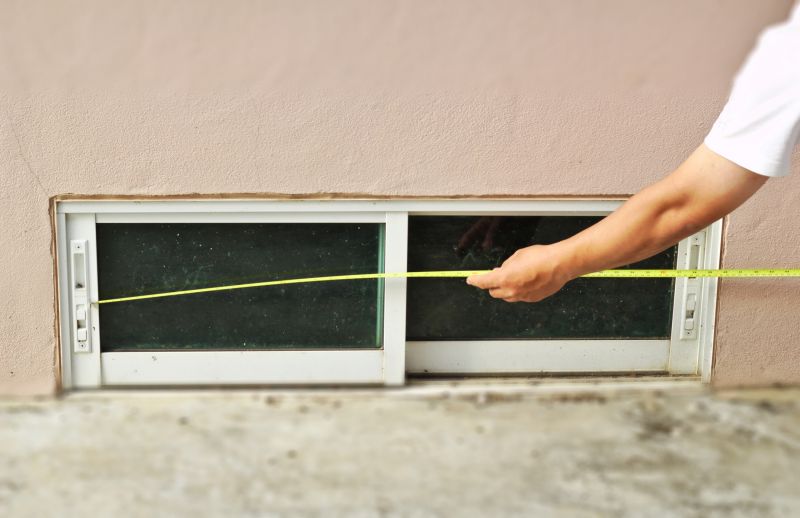
Little measurements that prevent headaches on Trenchings day.
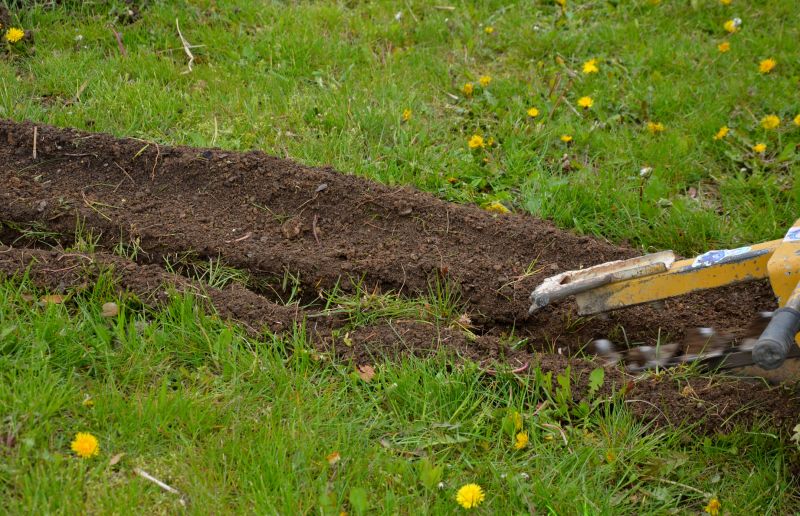
A 60-second routine that keeps Trenchings looking new.
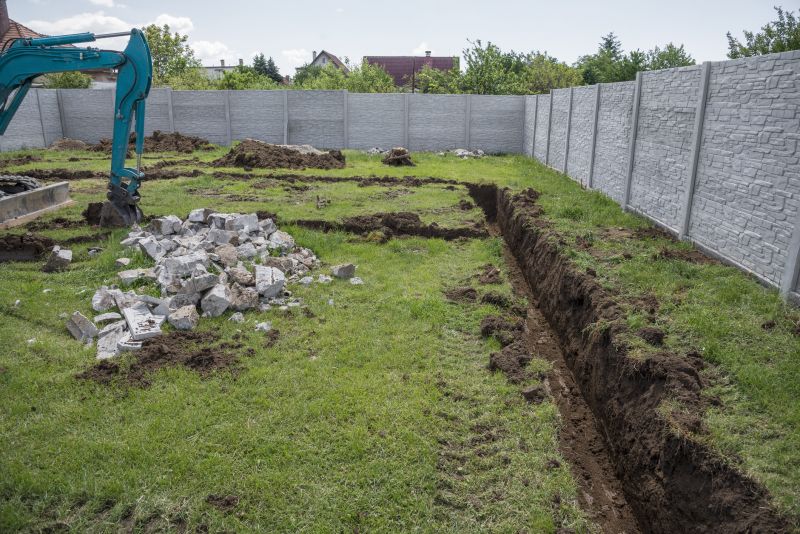
A frequent mistake in Trenchings and how to dodge it.
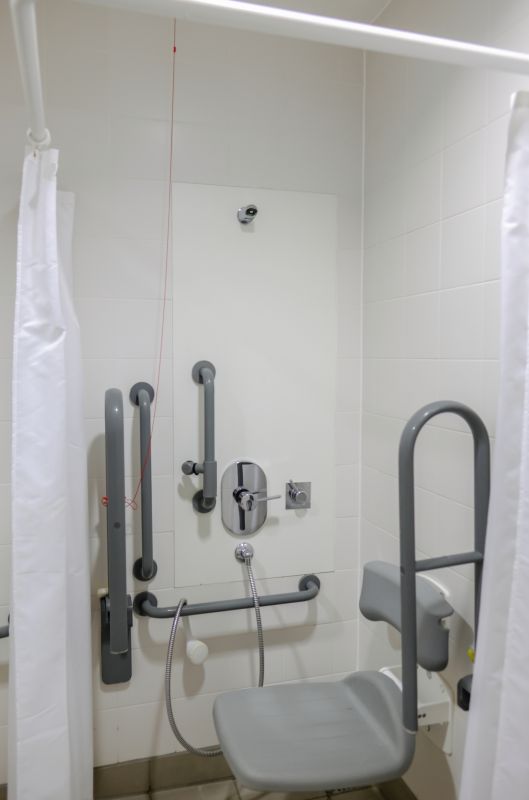
Small tweaks to make Trenchings safer and easier to use.
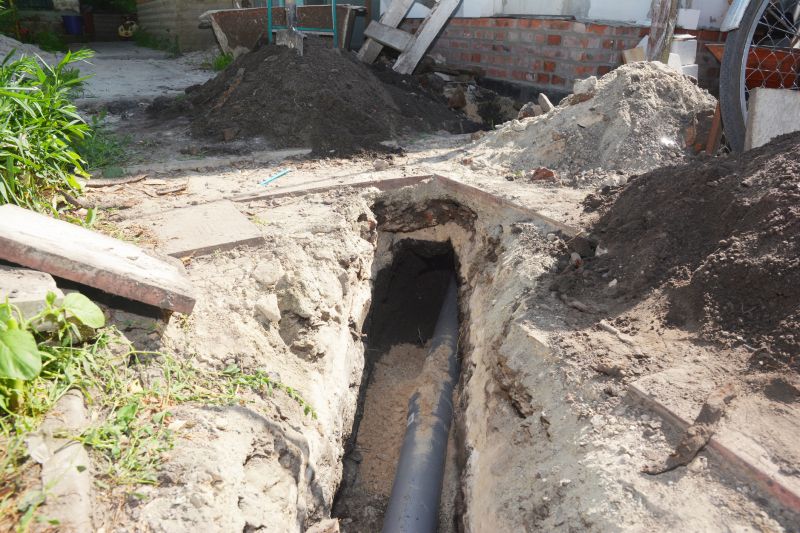
Lower-waste or water-saving choices for Trenchings.
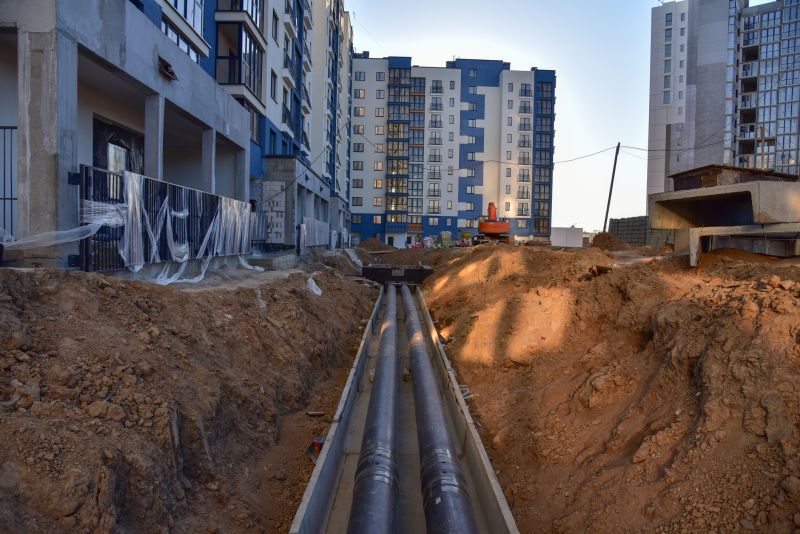
The short, realistic tool list for quality Trenchings.
| Season | Advantages |
|---|---|
| Spring | Moderate temperatures and manageable soil moisture |
| Summer | Dry conditions; ideal for certain soil types, but risk of heat stress |
| Fall | Cooler weather and stable soil conditions |
| Winter | Limited in colder climates; soil may be frozen and difficult to excavate |
Choosing the right time for trenching depends on local climate conditions, soil characteristics, and project requirements. Proper scheduling can prevent delays, reduce costs, and improve safety. Consultation with experienced professionals ensures optimal timing tailored to specific project needs.